Start here
If you only read three things, read these.
What HarvestEngine is, why it exists, and why tax-aware direct indexing matters.
3 articles


The math
Tax alpha, fee shape, and the structural differences that change after-tax outcomes.
10 articles

TLH vs ETF rebalancing: which actually saves you money?
Why subscriptions beat percentage-of-assets fees at $250K and up

Tax alpha: the return your portfolio earns by paying less tax

How to evaluate moving from Sandbox to Guided
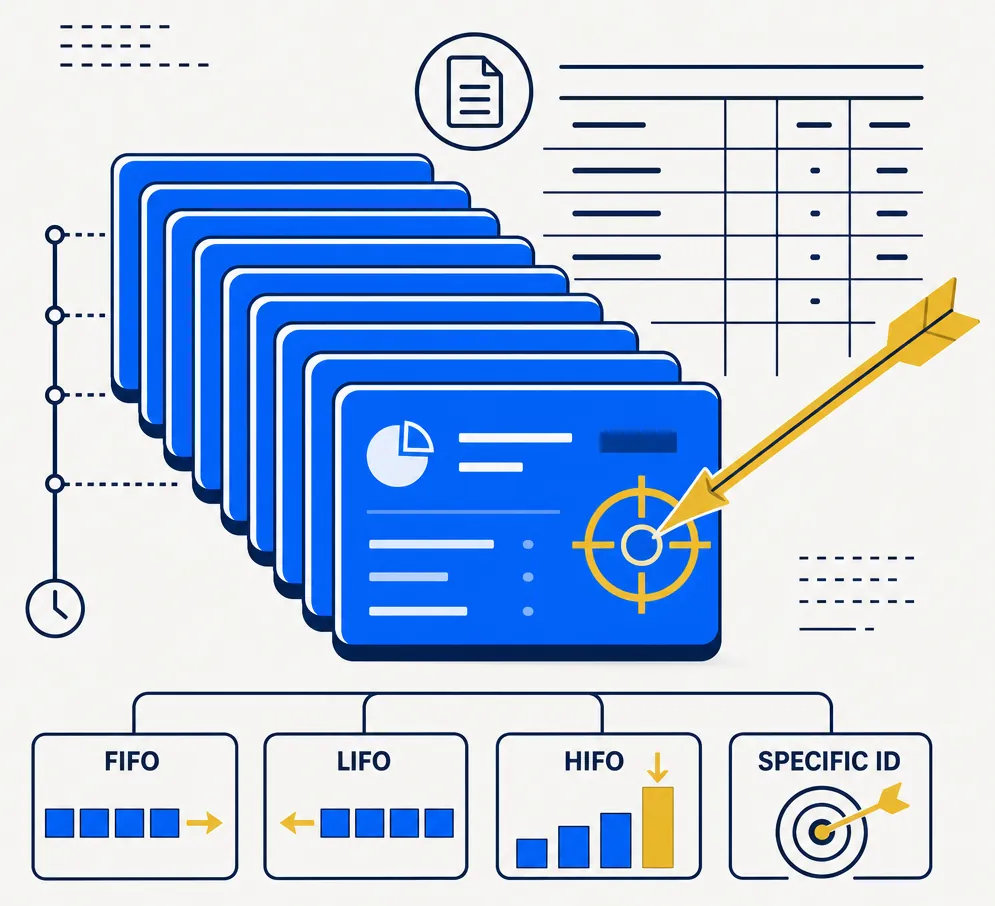
FIFO, LIFO, HIFO, specific-ID: how lot selection changes your tax bill
Capital loss carryforward: how the §1212 carry extends TLH value across years
IRMAA: how Medicare's income surcharge creates a hidden harvest argument
Why ETFs are more tax-efficient than mutual funds in taxable accounts
The 3.8% Net Investment Income Tax: how harvested losses can reduce the surcharge
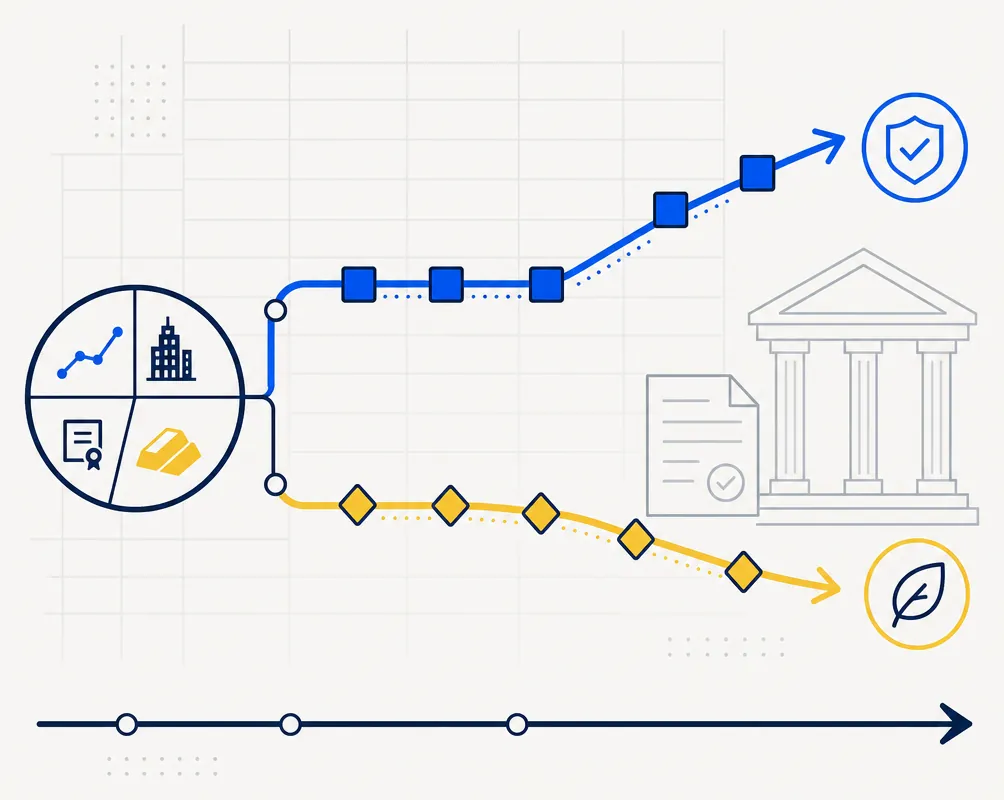
Short-term vs. long-term capital loss priority: why loss character changes what a harvest is worth
The rules
Wash sales, basis tracking, and the IRS code sections that decide whether a move is actually clean.
12 articles
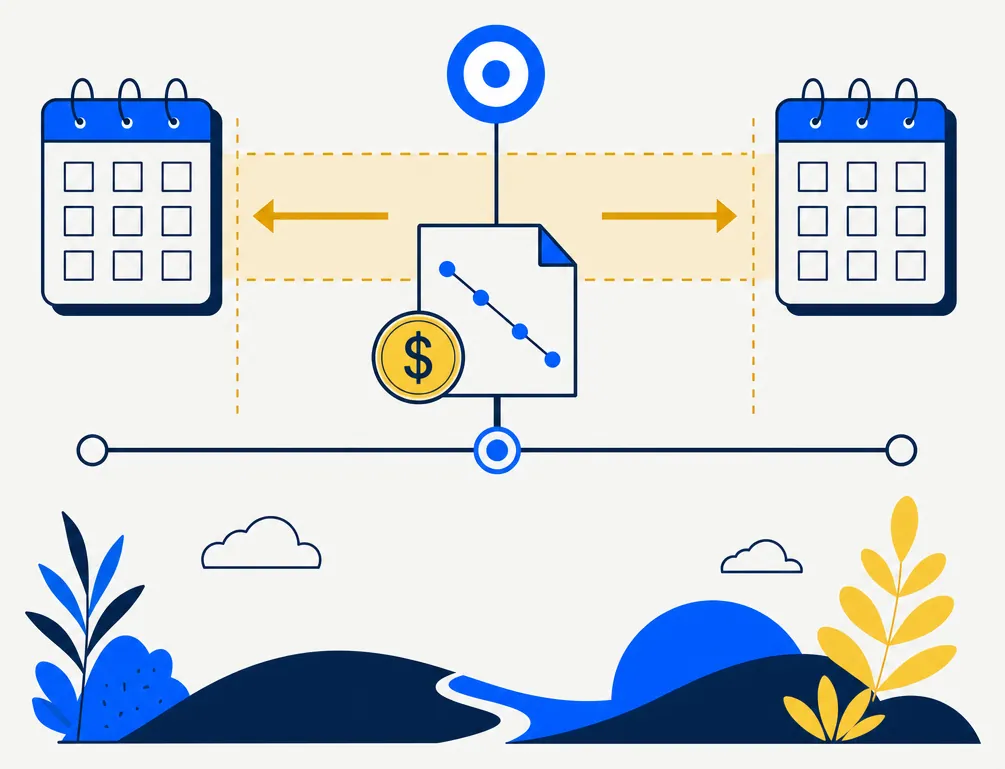
The wash-sale rule, demystified

The step-up basis: why long-horizon tax planning is more powerful than it first looks

What counts as 'substantially identical' for §1091?

The IRS code behind tax-loss harvesting: the practical cheat sheet

How TLH interacts with state taxes (California, NY, others)
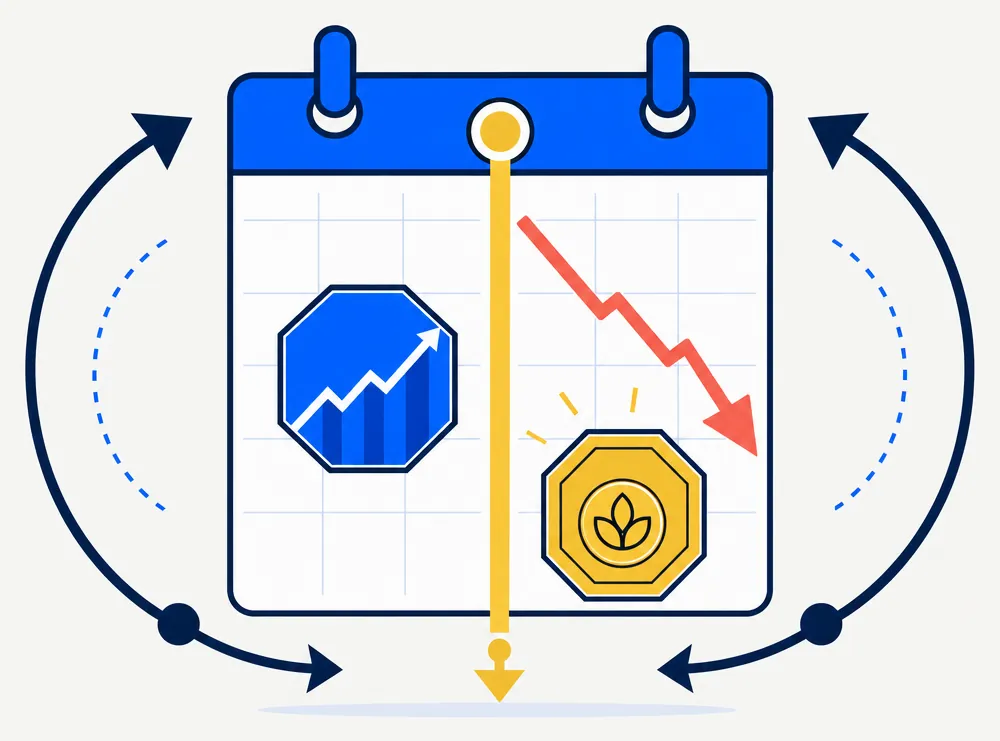
Dividend washing: when a dividend turns a loss harvest into a problem
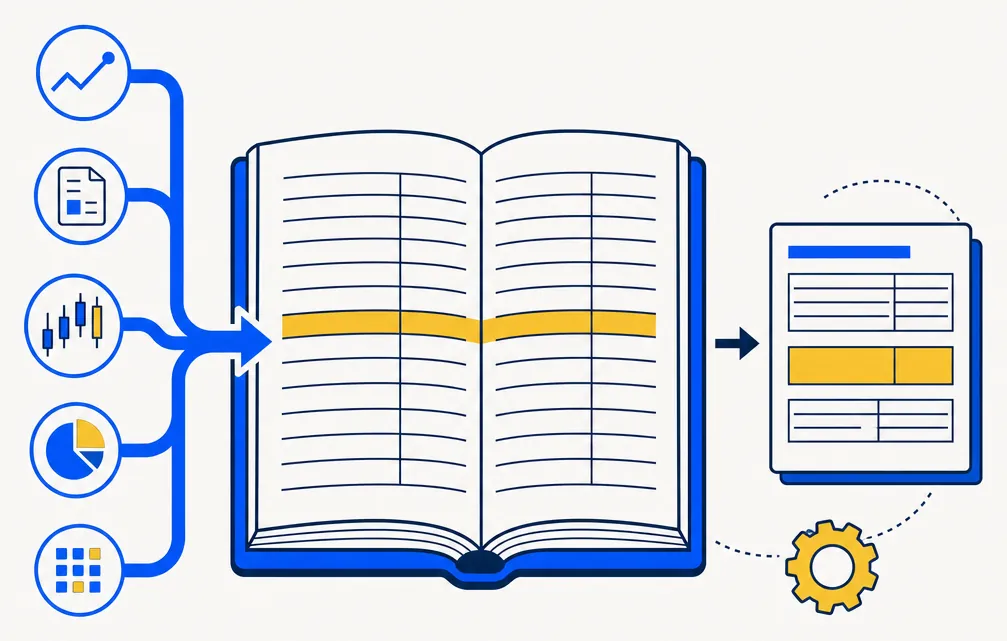
Form 8949 walkthrough: how to actually file your harvested losses
Tax-loss harvesting with crypto: the §1091 gap and what to watch

Wash sale rules across spouse accounts: the household pool
Cost basis when you transfer between brokers: the ACAT trap
Alternative Minimum Tax + harvested losses: edge cases
DRIP wash-sale traps: how automatic dividend reinvestment can disallow harvested losses
Strategy
Loss banks, pacing, concentrated-stock planning, and advanced overlays in the real world.
12 articles

Concentrated stock + RSUs: tax planning when one ticker dominates

The art of pacing: why timing your harvests through the year matters

Pairing losses with gains: planning taxable sales
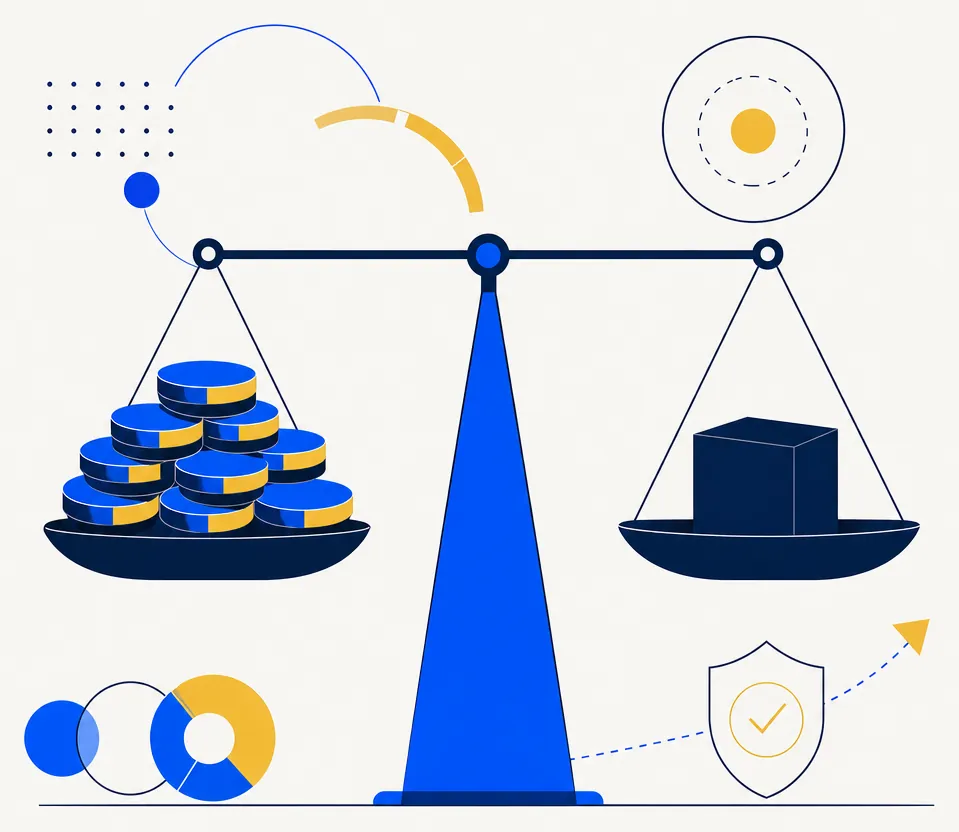
Using short positions as escape hatches on risky long bets

When the long sleeve isn't enough

The estate step-up: why holding losers can still be the right call
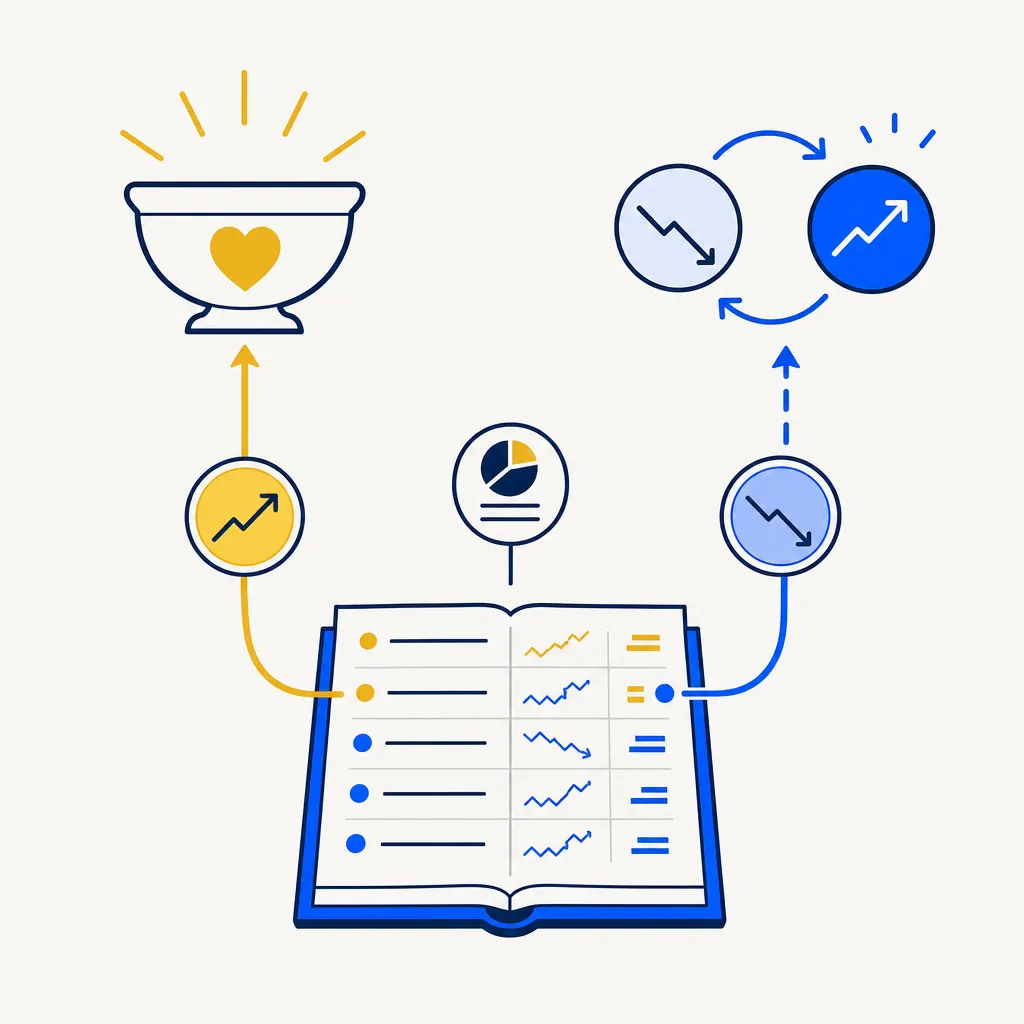
Donating appreciated stock vs harvesting losses: when each wins
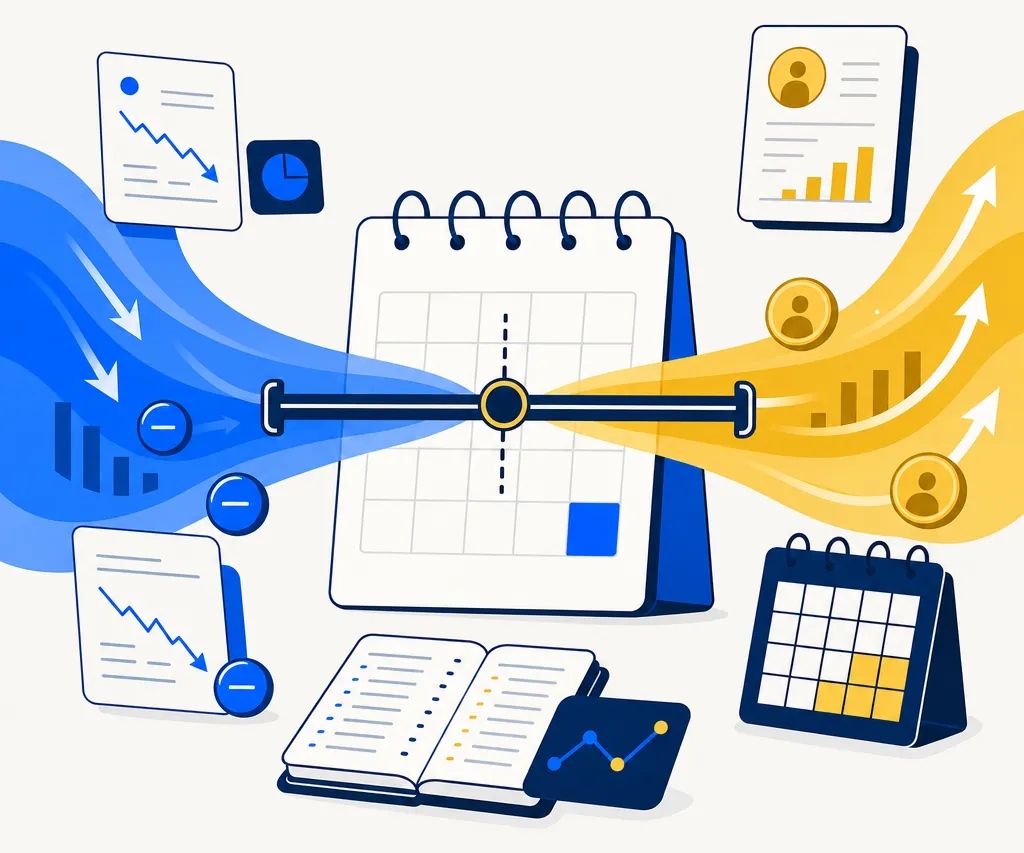
Roth conversions + TLH: timing the year for maximum offset
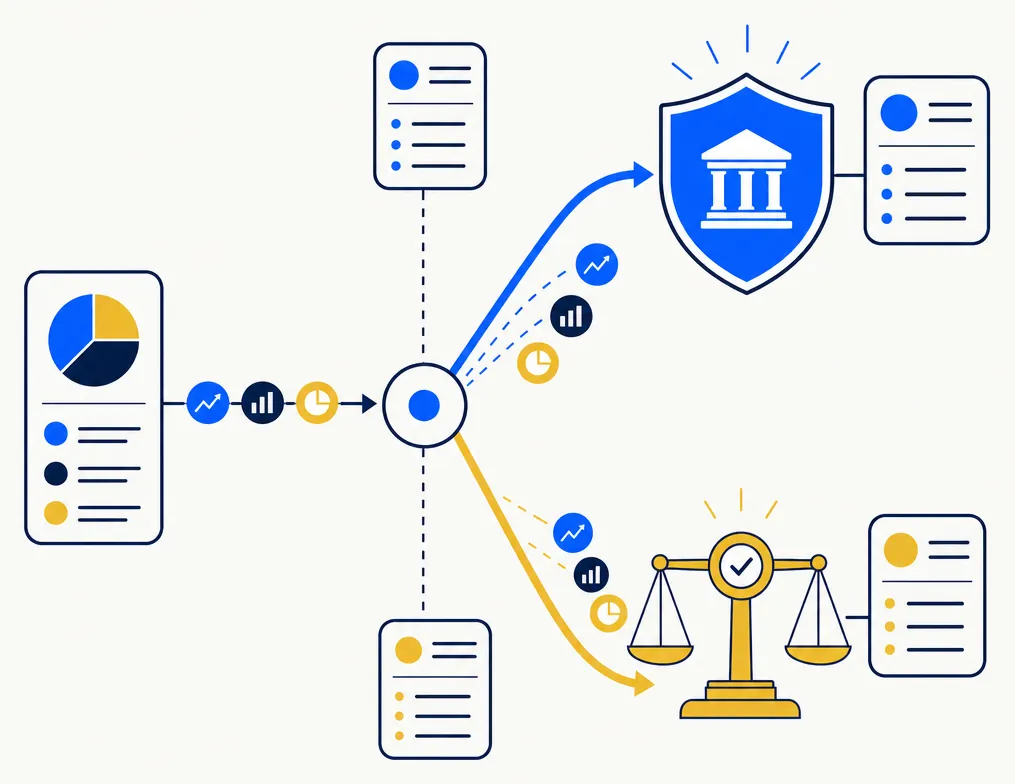
Should you rebalance in your 401(k) or your taxable account?
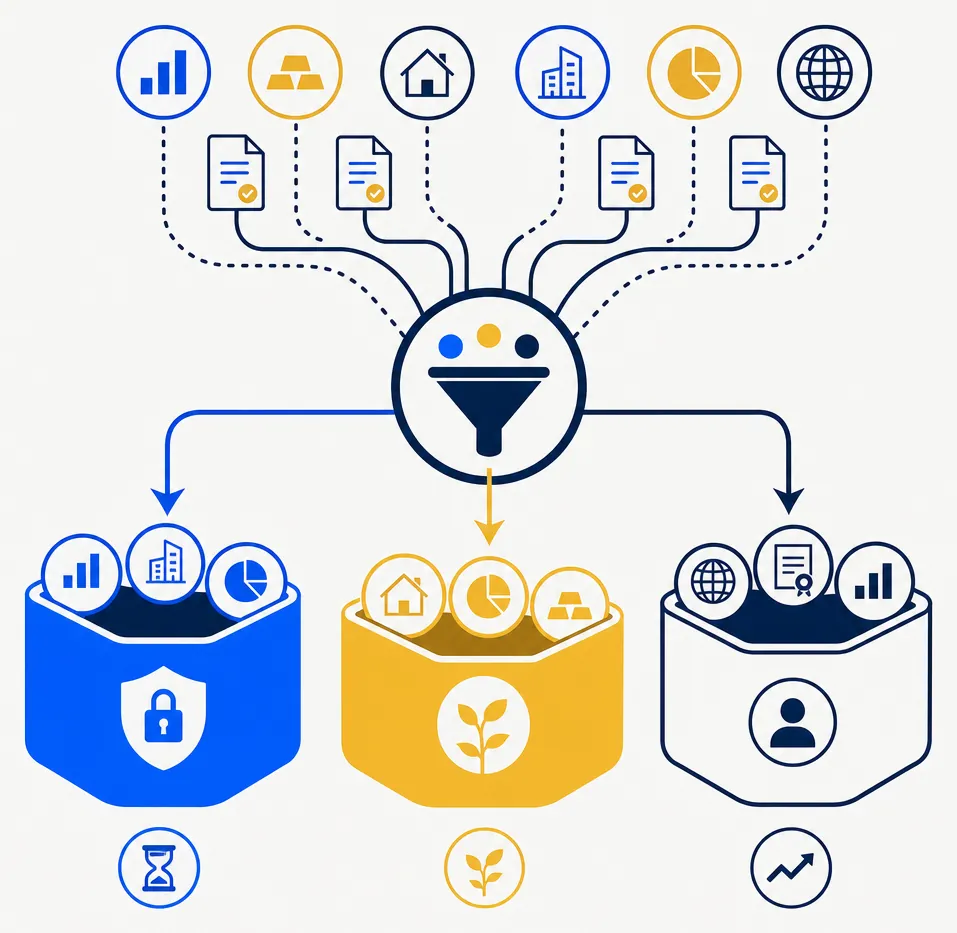
Asset location: putting the right investments in the right accounts

Tax-gain harvesting: realizing gains at the 0% rate to reset cost basis
Tax-loss harvesting bond funds: what changes when the loss is rate-driven
Concepts
The portfolio-construction ideas underneath the product — beta, sleeve structure, direct-index design.
6 articles

Direct indexing in 2026: who needs it, who doesn't

Short overlay: when extra flexibility is worth the complexity

Beta, in plain English: why your portfolio's risk is mostly the market's risk

The three sleeves: beta, long, and short — and why the structure matters
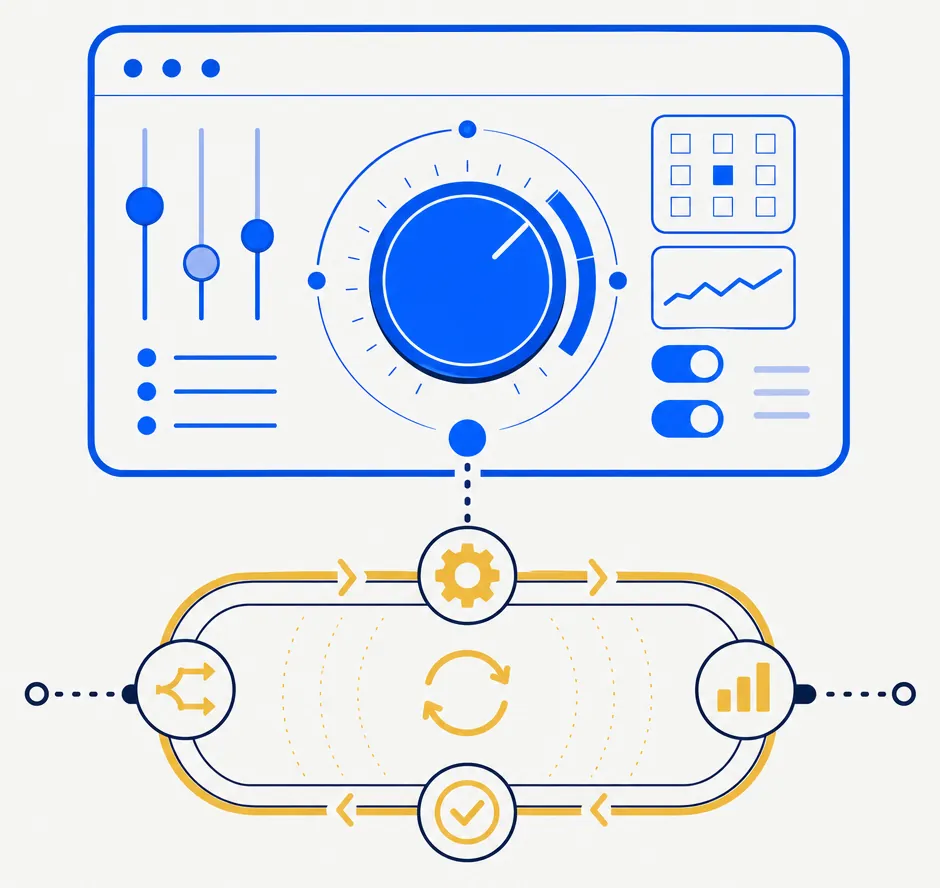
From Guided review to configurable automation — what changes in Autopilot?

Margin, demystified: cash, SMA, and why your buying power is bigger than your cash
The industry
How HarvestEngine compares with the products, platforms, and narratives already in the market.
3 articles