
Pairing losses with gains is a practical planning concept.
If you have a harvested loss bank and recognize gains against it, the gains and losses may offset under the applicable tax rules. The result depends on the character of the gains and losses, the investor's tax situation, and applicable law.
What makes the strategy real
How does gain-offset planning work, and what makes it more than a theoretical concept?
The strategy works because losses and gains net against each other under U.S. tax law. When an investor has available realized capital losses, those losses can offset gains being recognized and support future planning decisions.
The key is simple: losses and gains net against each other. Whether that affects a particular sale depends on the investor's available losses, the gains being recognized, and applicable tax rules.
This is why tax-loss harvesting matters beyond the current year. It is not just about reducing this year's bill. It is about building optionality for future decisions.
When this becomes powerful
In which situations does a harvested loss bank deliver the most strategic value?
A loss bank delivers the most value in moments of deliberate portfolio action — diversifying out of concentrated stock, rebalancing a taxable account, accessing liquidity, or using a prior-year loss bank to execute a sale that would otherwise trigger a painful tax hit.
The strategy matters most in moments like these:
- diversifying out of a concentrated stock position
- rebalancing a taxable account without creating a painful tax hit
- a year where liquidity matters and selling intelligently is the goal
- a meaningful loss bank built in prior years is ready to be used deliberately
That is the real payoff of disciplined TLH. The harvest is not the finish line. The future flexibility is.
The part most people miss
What do most investors fail to track about their harvested losses, and why does it matter?
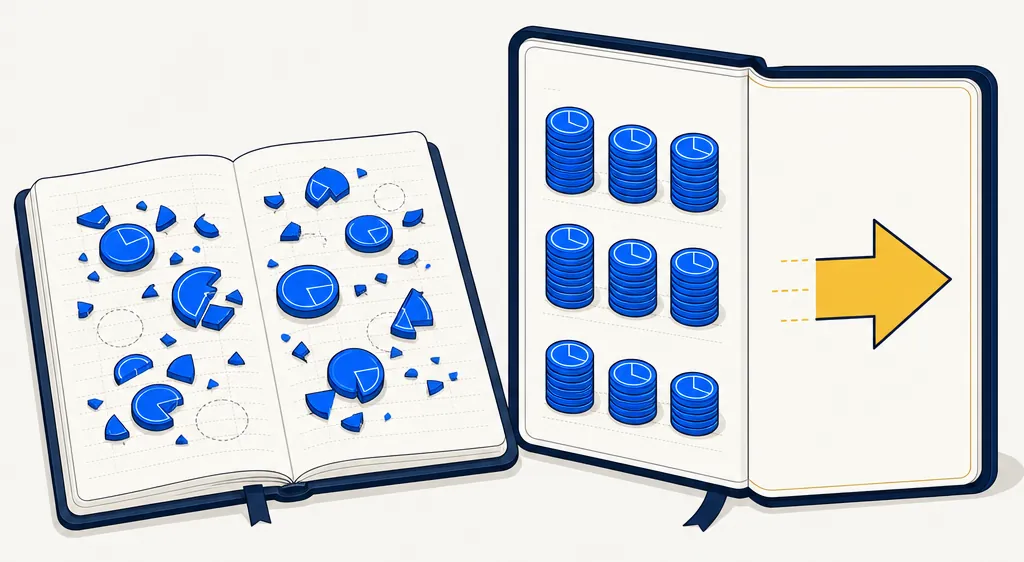
Most investors do not know the size of their loss bank, how much of it is actually usable, or what kind of gains it can offset efficiently — so they either never harvest seriously and have no reserve when they need one, or they harvest but never use the bank strategically because the information is fragmented.
Most investors do not know the size of their loss bank, how much of it is actually usable, or what kind of gains it can offset efficiently.
So they make one of two mistakes:
- they never harvest seriously, so they have no tax reserve when they need one
- they do harvest, but never use the bank strategically because the information is fragmented or buried
A tax-aware portfolio system should make that visible.
What has to be true for gain-offset planning to work
What conditions must be in place for an investor to use losses to offset a gain position?
Three things must be true: the investor has a realized loss bank (not paper losses), understands the character of those losses and the gains being recognized (short-term and long-term treatment still matters), and executes in the right tax year — which is why continuous tracking matters more than a one-time analysis.
- There is an actual loss bank. Not theoretical paper losses, realized losses.
- The character of losses and gains is understood. Short-term and long-term treatment still matters.
- The execution happens in the right year. Timing matters because tax situations and offset opportunities change.
This is why a one-time spreadsheet exercise is not enough. Good planning here depends on continuous tracking.
What can break the strategy
What are the most common execution failures that undermine gain-offset planning?
Wash-sale mistakes that make harvested losses less usable than expected, incomplete household visibility across spouse and IRA accounts, poor gain-timing coordination, and confusing paper losses with realized losses are the four most common ways the strategy fails in practice.
- Wash-sale mistakes that make the harvested loss less usable than expected
- Not knowing household exposure across spouses and accounts
- Poor timing where gains are realized without matching the loss bank intentionally
- Confusing paper losses with realized losses
In other words, the strategy is simple in principle and operationally demanding in practice.
Why this matters for HarvestEngine
How does HarvestEngine support gain-offset planning beyond the initial harvest?
HarvestEngine tracks realized loss capacity, surfaces the household loss bank, and surfaces what kind of gains it can offset — treating TLH not as a one-time tax trick but as the ongoing construction of a portfolio-level reserve that can be used for larger future decisions (see Tax Bank in the V2 dashboard).
HarvestEngine is not just trying to help users capture losses. It is trying to help users build a portfolio-level tax reserve that can be used later for bigger decisions.
That means the product makes it visible:
- how much loss bank exists
- what kind of gains it can offset
- how much flexibility it creates for future sales
That is a much more useful framing than "some taxes were saved this quarter."
The investor takeaway
What is the most useful mental model for investors who want to use TLH strategically rather than just tactically?
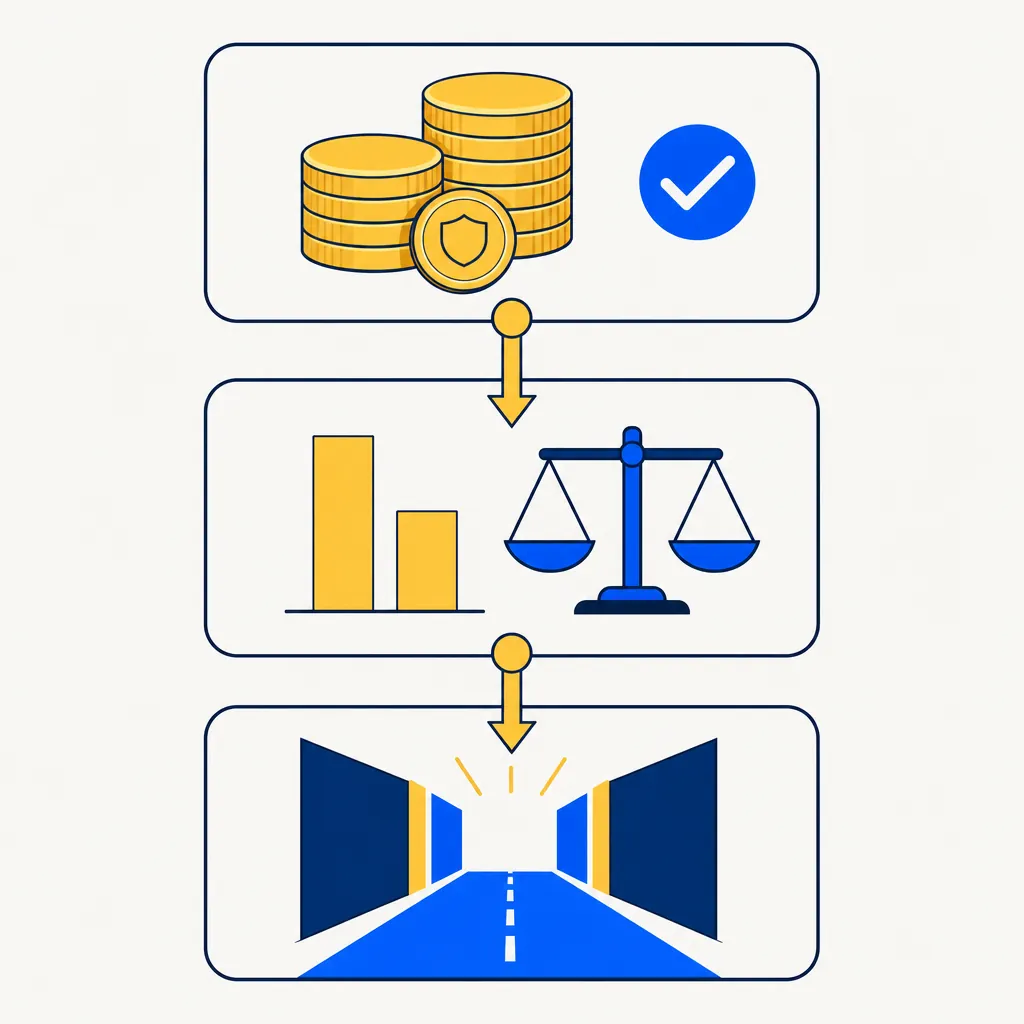
Thinking of TLH as the ongoing construction of a strategic reserve of offsetting losses — rather than a small annual tax trick — is what makes the full architecture of direct indexing, wash-sale discipline, household coordination, and visible trade logic feel like one integrated system rather than a pile of features.
Investors who think of TLH as a small annual tax trick tend to underbuild the system and underuse the opportunity.
Investors who think of TLH as a way to build a strategic reserve of offsetting losses find that the whole architecture makes more sense.
That is when direct indexing, wash-sale discipline, household coordination, and visible trade logic start to feel like one integrated product instead of a random pile of features.
Read this next with Tax alpha explained, the art of pacing, concentrated stock and RSUs, and tax-gain harvesting at the 0% rate.